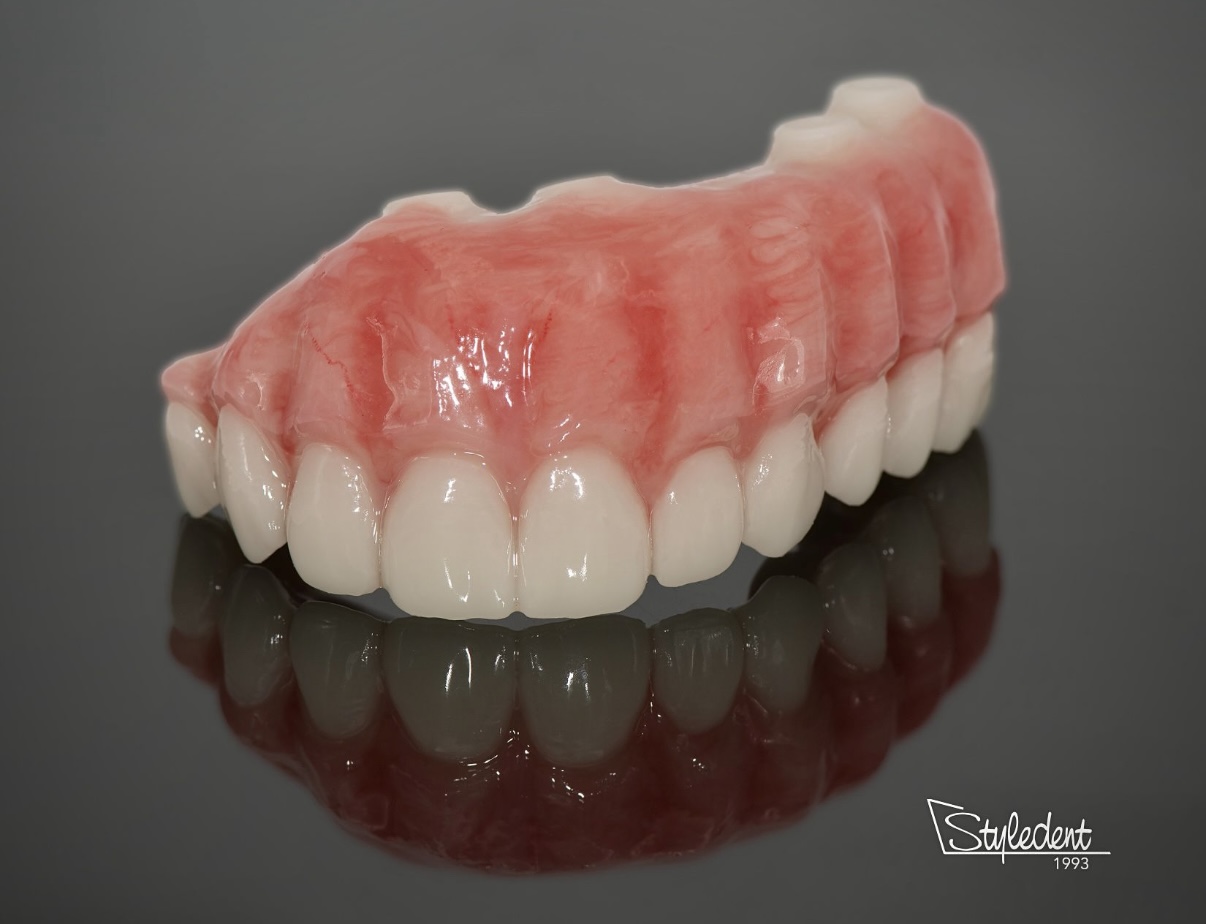

Feldspathic Veneers vs. Emax: What’s the Difference?
When it comes to smile design, feldspathic porcelain and Emax are two of the most trusted veneer materials. Both offer excellent esthetics, but they serve different purposes. By understanding how they compare, you can choose the best option for each patient.
First, What Are Feldspathic Veneers?
To start, feldspathic veneers are made from feldspar-based porcelain. Skilled technicians layer them by hand, which allows for maximum customization and a truly lifelike look. Because of their high translucency, these veneers closely resemble natural enamel.
Another major benefit is their minimal thickness. In most cases, you can prep the tooth very lightly—or not at all. As a result, you help preserve enamel while delivering a natural result. If your patient wants subtle esthetic changes without aggressive prepping, feldspathic is a great choice.
👉 Read more about feldspathic porcelain from Dental Tribune
Next, Let’s Look at Emax Veneers
Emax veneers are made from lithium disilicate, a high-strength glass-ceramic. Unlike feldspathic veneers, Emax is either pressed or milled using CAD/CAM technology. Because of this, they offer both beauty and durability.
In fact, many clinicians choose Emax for patients who grind their teeth or need more functional support. While they aren’t quite as translucent as feldspathic veneers, their added opacity helps mask discolored teeth or compromised structures.
So, How Do They Compare?
Let’s break it down:
| Feature | Feldspathic Veneers | Emax Veneers |
|---|---|---|
| Material | Hand-layered feldspar porcelain | Milled or pressed lithium disilicate |
| Esthetics | Highly translucent, natural-looking | Slightly opaque, still very esthetic |
| Tooth Prep | Minimal or none | Often requires more reduction |
| Strength | Best for low-stress areas (like anteriors) | Stronger, ideal for bruxers or full coverage |
| Customization | Fully custom, shaped by hand | Digitally designed, consistent results |
| Best Use | Subtle cosmetic changes | Functional and cosmetic restorations |
Choosing the Right One for Your Patient
So, how do you decide?
- If your patient wants a natural, understated result, feldspathic veneers usually deliver the best match.
- If they need to mask dark teeth or restore strength, Emax may be the better option.
- If preserving enamel is a priority, feldspathic gives you a more conservative prep.
Of course, no two patients are the same. You’ll want to evaluate each case based on esthetic goals, bite dynamics, and the long-term plan.
In Conclusion
Both feldspathic and Emax veneers offer excellent results—but for different reasons. Feldspathic veneers shine in cases that demand translucency and minimal prep. Emax stands out in situations where strength and durability matter more.
Ultimately, your clinical judgment and communication with your lab make the difference. With the right material and the right plan, you can deliver long-lasting results your patients will love.
Wondering why some cosmetic cases don’t work with digital workflows? Dimitri Tsichlis breaks it down and shares his stunning veneer restoration in his latest DTG Magazine feature. Click here to read more.